
Introduction: Why Ishta Devata Matters in Astrology
In Vedic astrology, spiritual evolution is as important as material success. While most people focus on career, wealth, or relationships, ancient sages emphasized moksha—inner liberation and soul alignment. This is where the concept of Ishta Devata becomes essential.
Ishta Devata refers to the personal deity or divine principle that resonates most deeply with an individual’s soul. According to astrology, this connection is not random or based only on family tradition—it is encoded in the birth chart itself.
Understanding your Ishta Devata helps you:
-
Reduce mental restlessness
-
Align with your life’s higher purpose
-
Resolve karmic blockages
-
Deepen meditation and spiritual practices
This blog post offers a complete, step-by-step explanation of Ishta Devata determination according to Vedic astrology, written in a clear and practical way.
What Is Ishta Devata? (Astrological Meaning)

The Sanskrit word Ishta means “cherished” or “most desired,” and Devata means “divine principle.”
Together, Ishta Devata means the divine form through which your soul naturally connects to universal consciousness.
In spiritual astrology:
-
Ishta Devata is soul-based, not personality-based
-
It reflects past-life spiritual tendencies
-
It guides you toward inner balance and liberation
Unlike a general worship deity, Ishta Devata functions as a spiritual frequency uniquely suited to your inner nature.
Philosophical Foundation of Ishta Devata
Vedic philosophy teaches that truth is one, but human perception differs. Each soul resonates with a particular divine quality—such as discipline, devotion, courage, wisdom, or compassion.
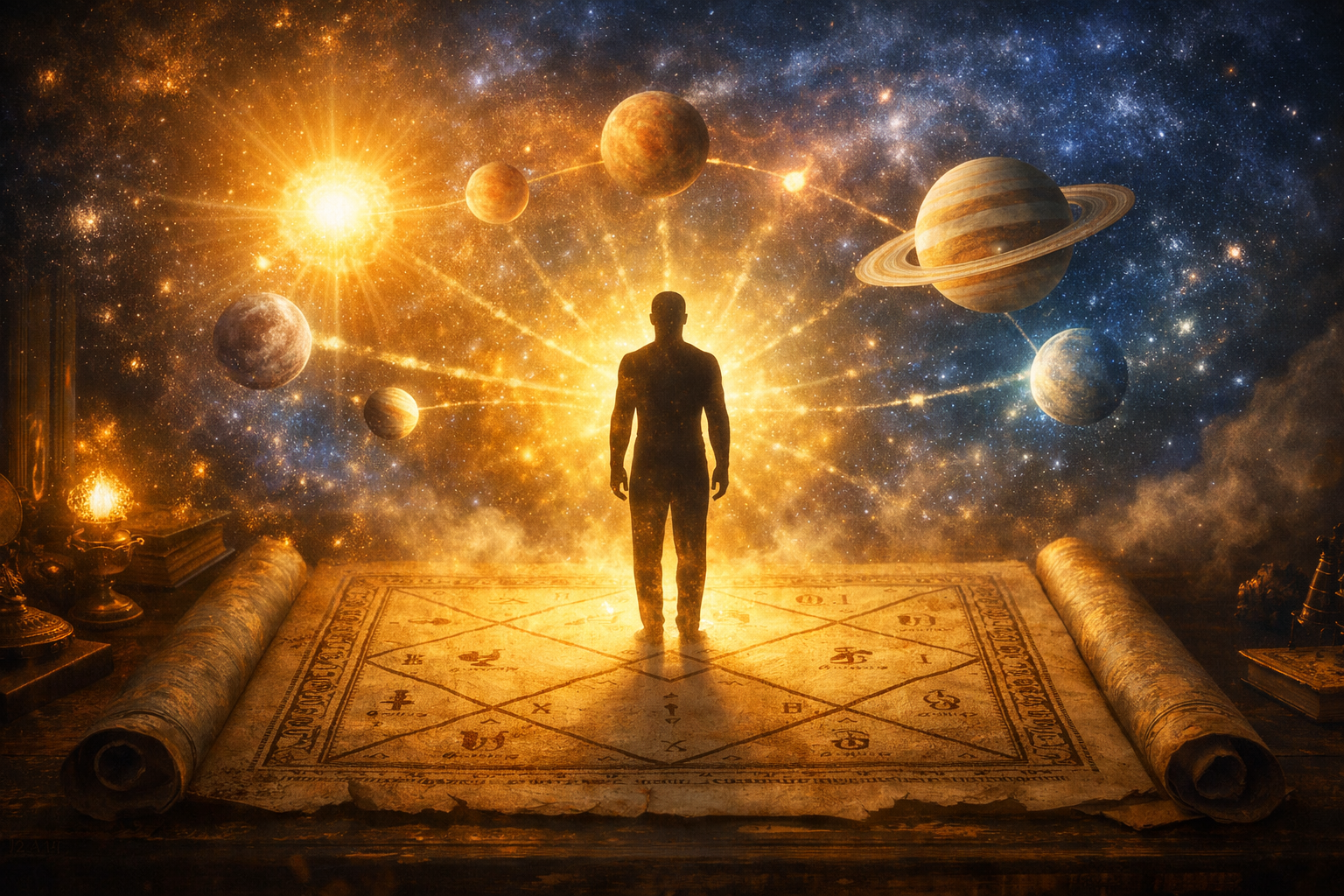
Astrology translates this philosophy into a structured system, using planetary energies and divisional charts to reveal which divine quality best supports your spiritual growth.
Why Navamsa (D9) Chart Is Crucial for Ishta Devata
In Vedic astrology, the Navamsa chart (D9) is the most important chart for understanding:
-
The soul’s nature
-
Dharma (spiritual duty)
-
Inner maturity
-
Past-life karmic patterns
-
Potential for liberation
While the birth chart (D1) shows external life events, the Navamsa reveals the inner spiritual blueprint. That is why Ishta Devata is always derived from D9, not D1 alone.
Step 1: Identify the Atmakaraka Planet
The Atmakaraka is the planet with the highest degree in your birth chart (excluding Rahu and Ketu in some traditions).
What Atmakaraka Represents
-
The soul’s primary lesson in this lifetime
-
Unresolved karma from previous births
-
Your deepest strengths and weaknesses
-
Spiritual challenges and potential
For example:
-
Sun as Atmakaraka → soul seeks truth and self-realization
-
Moon as Atmakaraka → soul evolves through devotion and emotional purity
-
Saturn as Atmakaraka → soul learns through discipline and endurance
Step 2: Find the Karakamsha Lagna
When the Atmakaraka planet is placed into the Navamsa chart, the sign it occupies becomes the Karakamsha Lagna.
Why Karakamsha Lagna Is Important
Karakamsha Lagna represents:
-
The seat of the soul
-
The soul’s spiritual orientation
-
The starting point of inner evolution
All Ishta Devata analysis is done from this lagna, not from the regular ascendant.
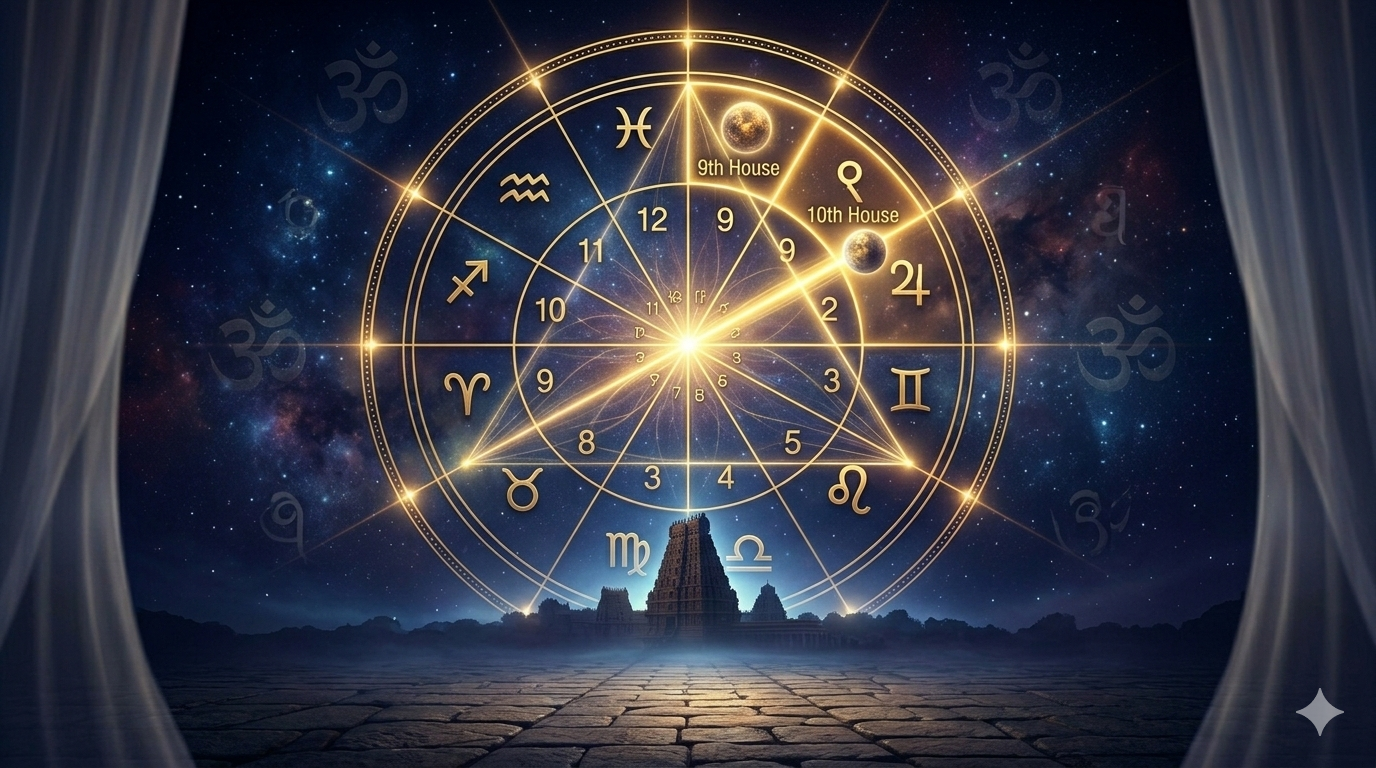
Step 3: Analyze the 12th House from Karakamsha Lagna
In astrology, the 12th house signifies:
-
Moksha (liberation)
-
Renunciation and surrender
-
Dissolution of ego
-
Connection with the divine
Therefore, the 12th house from Karakamsha Lagna directly reveals Ishta Devata.
You must analyze:
-
Planets placed in the 12th house
-
Aspects falling on the 12th house
-
The lord of the 12th house
The dominant planetary influence determines the Ishta Devata principle.
Planetary Indicators and Ishta Devata Principles
Below is a traditional astrological mapping between planets and divine energies:
| Planet | Core Spiritual Principle | Ishta Devata Energy |
|---|---|---|
| Sun | Truth, self-realization | Solar / Rama principle |
| Moon | Devotion, compassion | Krishna / Divine Mother |
| Mars | Courage, protection | Hanuman / Skanda |
| Mercury | Wisdom, clarity | Vishnu |
| Jupiter | Dharma, grace | Narayana |
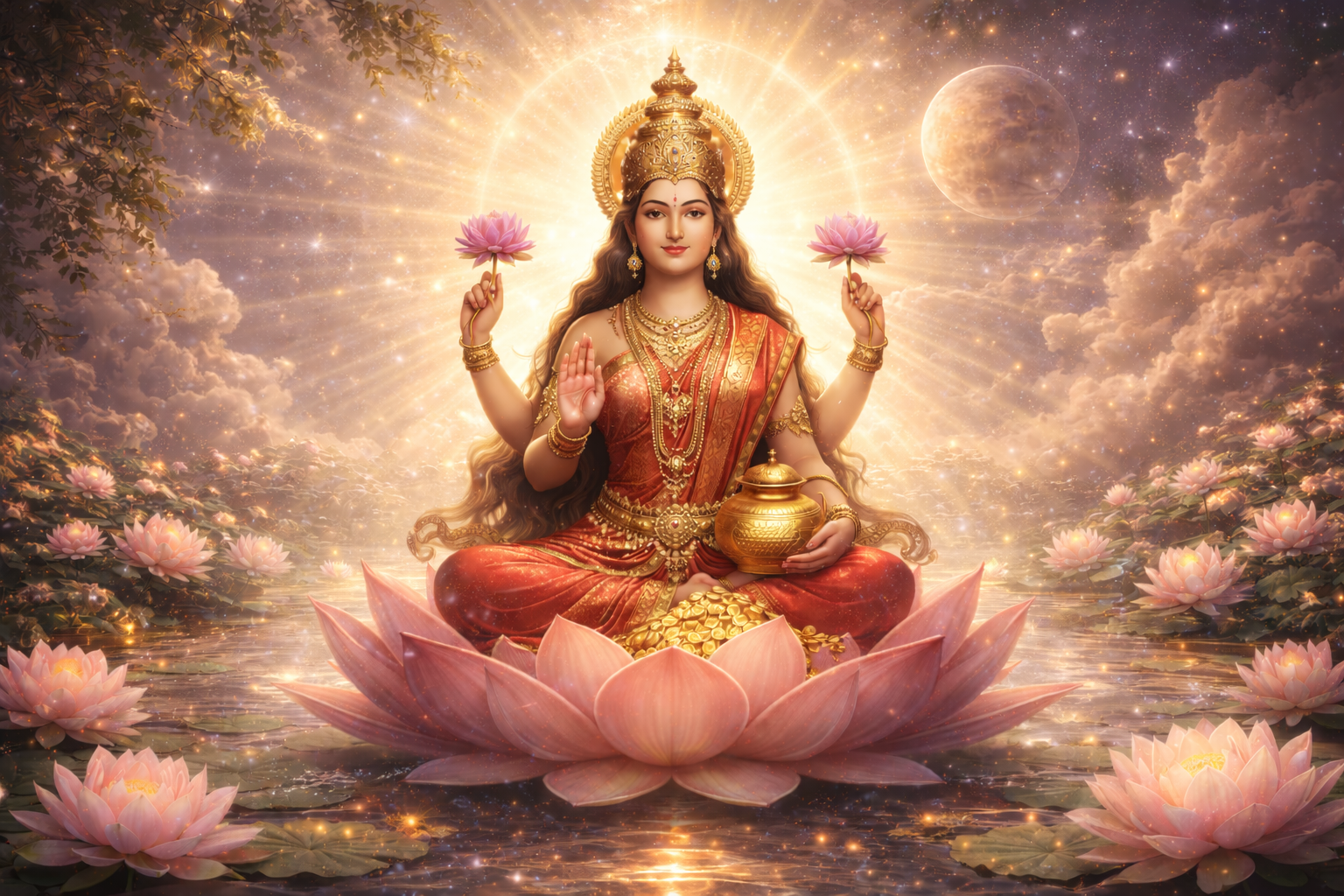
| Venus | Love, harmony | Lakshmi / Divine Feminine |
| Saturn | Detachment, discipline | Kurma / Shani principle |
| Rahu | Transformation, fearlessness | Varaha / Narasimha |
| Ketu | Liberation, mysticism | Ganesha / Dattatreya |
Important Note:
These are symbolic correspondences. The goal is not idol selection but alignment with the spiritual quality represented.
Ishta Devata vs Family Deity (Kul Devata)
Many people confuse Ishta Devata with family or cultural deities. They are not the same.
-
Kul Devata: Inherited, lineage-based
-
Ishta Devata: Soul-based, chart-derived
Both can coexist. However, for meditation, mantra, and inner healing, Ishta Devata works at a much deeper psychological and karmic level.
Psychological and Spiritual Benefits of Ishta Devata Worship
Regular connection with your Ishta Devata can:
-
Reduce anxiety and inner conflict
-
Strengthen emotional resilience
-
Improve focus and clarity
-
Dissolve unconscious fears
-
Accelerate spiritual maturity
From a psychological perspective, Ishta Devata acts as a stable inner anchor, especially during life transitions and crises.
How to Practice Ishta Devata Sadhana
You do not need complex rituals. Simplicity and consistency matter most.
Recommended practice:
-
Choose one mantra related to your Ishta Devata
-
Chant daily at the same time
-
Maintain silence before and after chanting
-
Avoid expectations—practice surrender
Even 10–15 minutes daily can bring profound inner shifts over time.
Common Myths About Ishta Devata
Myth 1: You must abandon other forms of worship
→ False. Ishta Devata complements existing beliefs.
Myth 2: Ishta Devata brings instant miracles
→ False. It brings inner transformation, not shortcuts.
Myth 3: Only monks or spiritual seekers need Ishta Devata
→ False. It is relevant for householders, professionals, and seekers alike.
Conclusion: Ishta Devata as a Soul Compass
Ishta Devata is not about religion—it is about resonance.
When your spiritual practice aligns with your soul’s natural frequency, life becomes lighter, clearer, and more meaningful.
Vedic astrology does not impose belief; it reveals alignment.
Discovering your Ishta Devata is like finding a compass that quietly but steadily guides you toward inner freedom.
Want to Know Your Personal Ishta Devata?
A precise Ishta Devata analysis requires:
-
Date of birth
-
Time of birth
-
Place of birth
With accurate data, a complete Navamsa-based spiritual analysis can be prepared, including mantra guidance and sadhana recommendations.
True astrology begins where self-awareness meets surrender.


Leave a Reply