
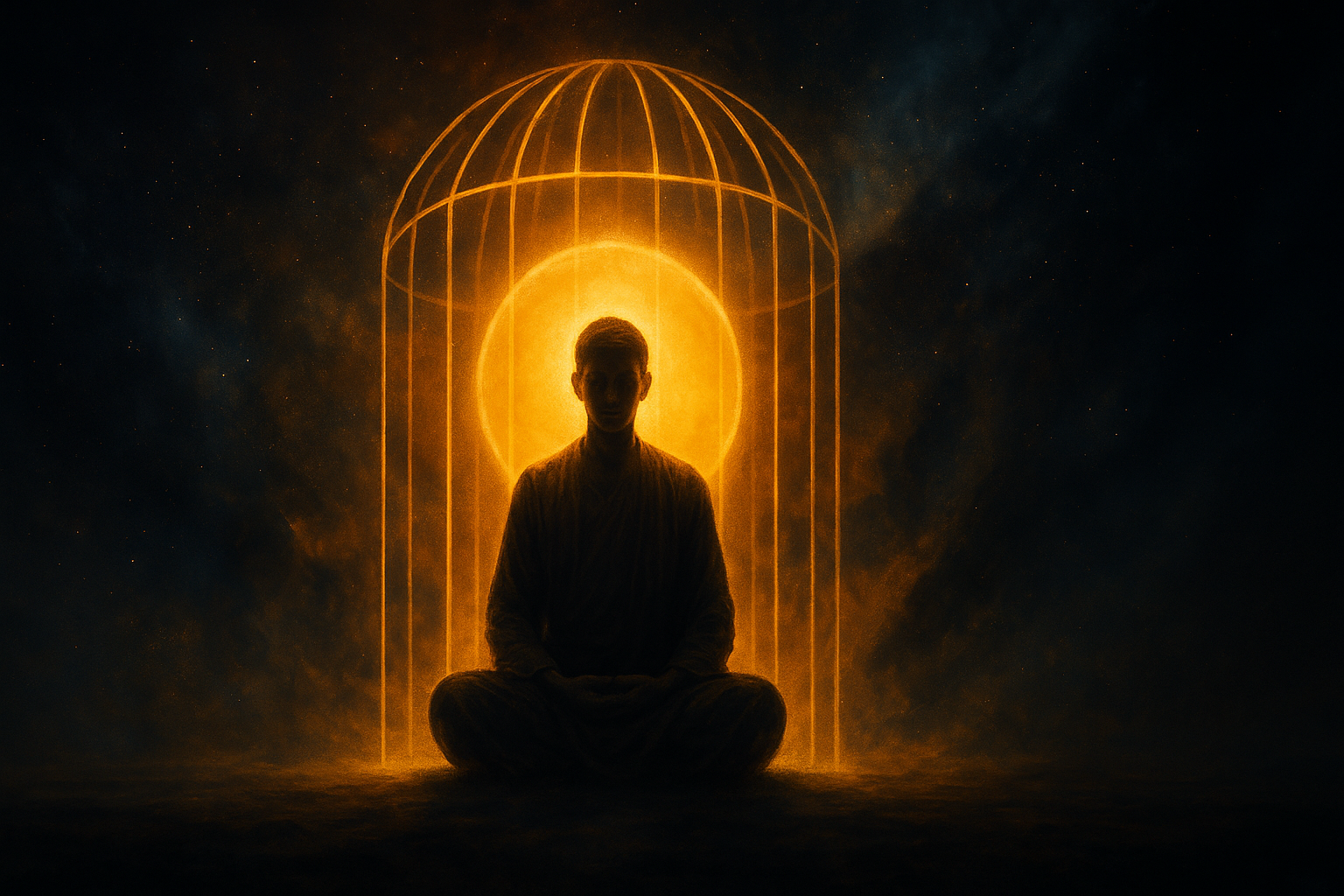
🌟 Introduction: The Ego is Not You
Spiritual Psychology and the Ego examines how identity is formed, how it creates suffering, and how spiritual awareness dissolves the illusion of control.
The human mind naturally builds a sense of identity—a story about who we are, what we value, and what we fear. Spiritual traditions call this the ego, while modern psychology calls it the constructed self.
The ego helps us function socially, yet it can also imprison us inside:
-
Fear
-
Comparison
-
Anxiety
-
Perfectionism
-
Control
-
Shame
In Spiritual Psychology and the Ego, we explore how identity is created, how ego protects itself, how it hijacks spirituality, and how surrender reveals your authentic nature.
For a deeper exploration of spiritual healing, visit:
🧠 1. Spiritual Psychology and the Ego: How Identity is Created
(Suggested image alt: “Spiritual Psychology and the Ego identity formation”)
From infancy, we form identity through feedback:
-
Praise → “I’m good”
-
Criticism → “I’m bad”
-
Success → “I’m worthy”
-
Failure → “I’m unworthy”
Over time, identity becomes a mental mask shaped by:
-
Culture
-
Parenting
-
Education
-
Religion
-
Trauma
-
Social dynamics
We adopt egoic roles such as:
-
The achiever
-
The caretaker
-
The victim
-
The rationalist
-
The spiritual one
The ego believes:
“I am this role — without it, I am nothing.”
Spiritual Psychology and the Ego teaches us that identity is a story, not a self.
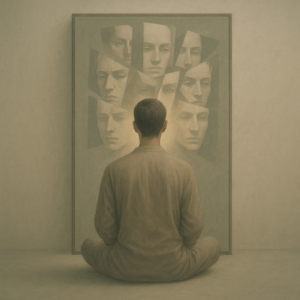
🪬 2. Ego Defense Mechanisms in Spiritual Psychology
(Suggested image alt: “Spiritual Psychology and the Ego defense mechanisms”)
Western psychology and spiritual psychology both show that ego survives by protecting its identity.
Common ego defenses:
-
Projection — blaming others for what we deny in self
-
Denial — rejecting truth
-
Rationalization — justifying behavior
-
Reaction formation — acting opposite to true feelings
-
Identification — using roles for safety
-
Perfectionism — control through flawlessness
-
Overcontrol — managing life to avoid discomfort
The irony:
The ego isn’t protecting you — it’s protecting itself.
🧘♂️ 3. The Spiritual Ego Trap: When Ego Becomes “Enlightened”
(Suggested image alt: “Spiritual Psychology and the Ego spiritual ego trap”)
When spirituality becomes identity, ego mutates:
-
“I am awakened.”
-
“I am more conscious than others.”
-
“I don’t get triggered anymore.”
Symptoms of spiritual ego:
-
Moral superiority
-
Judgement disguised as wisdom
-
Emotional bypassing
-
Using spirituality to avoid responsibility
In Spiritual Psychology and the Ego, this is called the ego of light.
“The ego does not die. It changes costumes.”
🔥 4. The Illusion of Control: Why Ego is Afraid
(Suggested image alt: “Spiritual Psychology and the Ego illusion of control”)
The ego believes:
-
“I must control life.”
-
“I must control identity.”
-
“I must control outcomes.”
Why?
Because ego fears annihilation.
Trying to control everything leads to:
-
Stress
-
Overthinking
-
Burnout
-
Emotional numbness
The ego constantly seeks:
-
Achievement
-
Status
-
Validation
-
Knowledge
But it never feels fulfilled because ego has bottomless hunger.
🪷 5. Surrender in Spiritual Psychology and the Ego
(Suggested image alt: “Spiritual Psychology and the Ego surrender practice”)
Surrender is not passivity — it is trust and alignment.
It means:
-
Letting go of control
-
Accepting uncertainty
-
Observing emotions
-
Allowing life to unfold
When surrender unfolds, ego loses its grip, and you experience:
-
Peace
-
Clarity
-
Compassion
-
Presence
Surrender reveals:
“I am not the identity. I am awareness.”
🌙 6. Daily Practices to Reduce Ego Dominance
Practical tools from Spiritual Psychology and the Ego:
✔️ Witness thoughts
Observe without reacting
✔️ Question narratives
Ask: “What story am I telling?”
✔️ Practice honesty
Admit fear, vulnerability
✔️ Embrace imperfection
Fail intentionally
✔️ Sit with discomfort
Stop numbing
✔️ Compassion meditation
Dissolve separation
✔️ Drop labels
Use flexible language
✔️ Self-inquiry
Ask: “Who am I without identity?”
🌞 7. Signs Ego is Dissolving
-
Less defensiveness
-
Less comparison
-
More humility
You stop performing life —
you experience life.
🌙 8. Signs Ego is Still Dominant
-
Fear of being wrong
-
Controlling behavior
-
Image management
Ego appears strong,
but it is built on insecurity.
🌿 9. Integration: Ego is Not the Enemy
Spiritual Psychology and the Ego emphasizes integration, not destruction.
Ego is a tool —
just not the driver.
🌺 Conclusion: Spiritual Psychology and the Ego
You are not:
-
Thoughts
-
Roles
-
Wounds
You are awareness.
The ego says:
“Control life.”
Awareness says:
“Let life unfold.”
❓ Frequently Asked Questions (FAQ)
1. What is the ego in spiritual psychology?
In spiritual psychology, the ego is the constructed sense of identity based on thoughts, beliefs, fears, and roles.
It is not your true self, but a mental narrative you mistake for “me.”
2. Is the ego bad or harmful?
The ego is not inherently bad.
It is a survival mechanism that helps you function in the world.
Problems arise when the ego dominates your identity and behaviors, causing:
-
Anxiety
-
Control issues
-
Emotional reactivity
The goal is not to kill the ego, but to see through it.
3. How does the ego create suffering?
The ego clings to:
-
Control
-
Certainty
-
Approval
-
Identity
When life doesn’t match ego’s expectations, we experience:
-
Emotional pain
-
Frustration
-
Fear
-
Insecurity
Suffering is the gap between reality and ego’s demands.
4. What is the “illusion of control”?
The ego believes, “I must control everything to be safe.”
But life is inherently uncertain.
The need for control creates:
-
Stress
-
Perfectionism
-
Overthinking
Freedom comes from accepting that you cannot control outcomes, only actions.
5. How do ego defense mechanisms work?
Ego defense mechanisms are unconscious strategies to protect identity.
Examples:
-
Denial
-
Projection
-
Rationalization
-
Perfectionism
They prevent us from facing painful truth and keep the ego safe.
6. What is the “spiritual ego”?
The spiritual ego is the identity that forms around being spiritual, awakened, or superior.
It appears as:
-
Moral superiority
-
Judgment disguised as wisdom
-
Emotional bypassing
Instead of dissolving ego, spirituality becomes a new identity mask.
7. How can I recognize strong ego patterns in myself?
Signs include:
-
Constant comparison
-
Defensiveness
-
Need for validation
-
Fear of being wrong
-
Overcontrol
-
Perfectionism
Ego shows up most strongly when we feel insecure or threatened.
8. Does surrender mean giving up?
No.
Surrender is trusting life’s flow rather than manipulating outcomes.
It is not passivity, but alignment with truth, presence, and acceptance.
9. Can the ego ever fully disappear?
Not while living as a human.
Ego is part of the mind’s structure.
The goal of spiritual growth is not ego death, but ego transparency:
Ego becomes a tool, not a master.
10. How do I reduce ego dominance in daily life?
Practices include:
-
Witnessing thoughts
-
Radical honesty
-
Embracing imperfection
-
Compassion meditation
-
Letting go of identity labels
Small daily awareness breaks ego’s automatic control.


Leave a Reply