
INTRODUCTION:
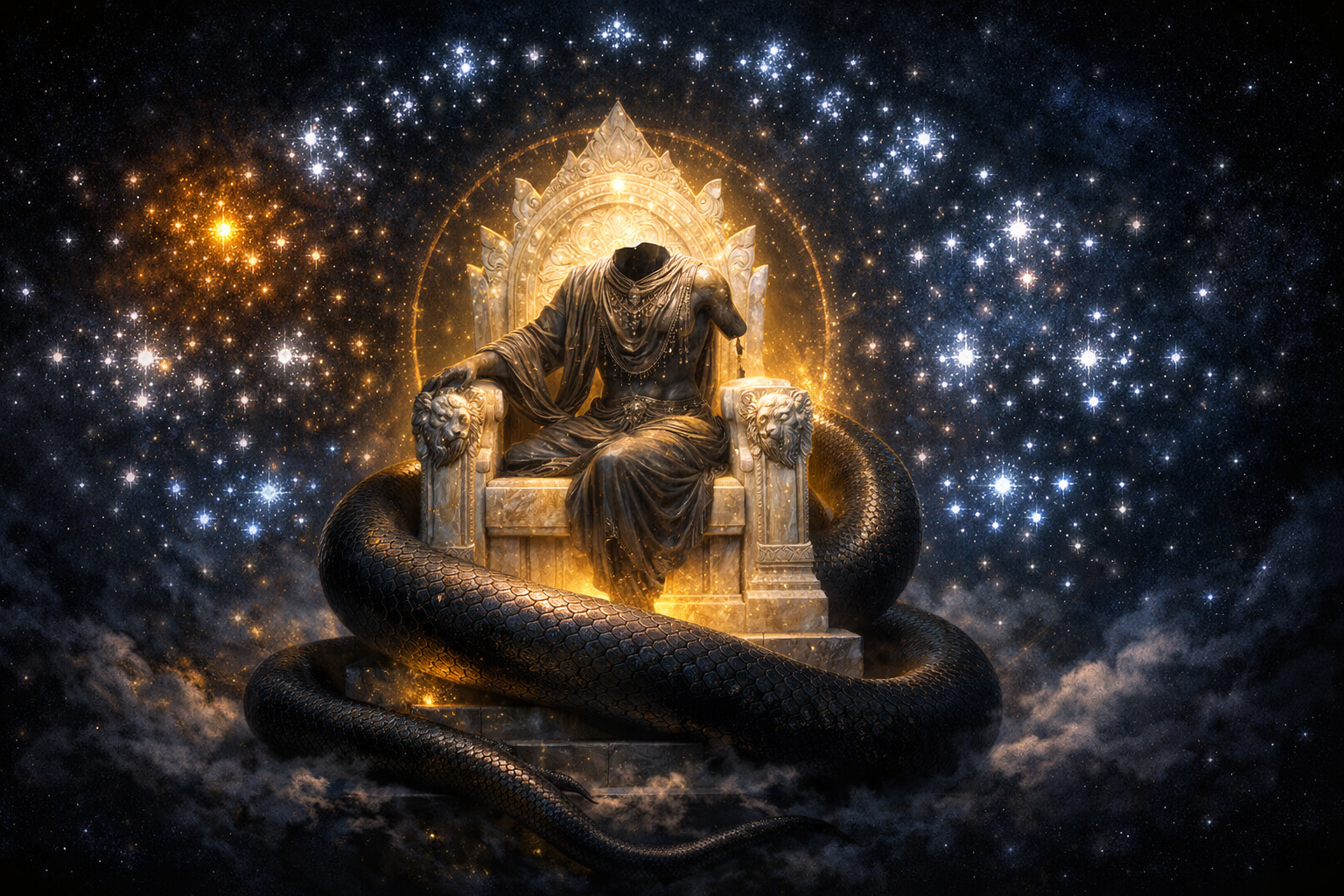
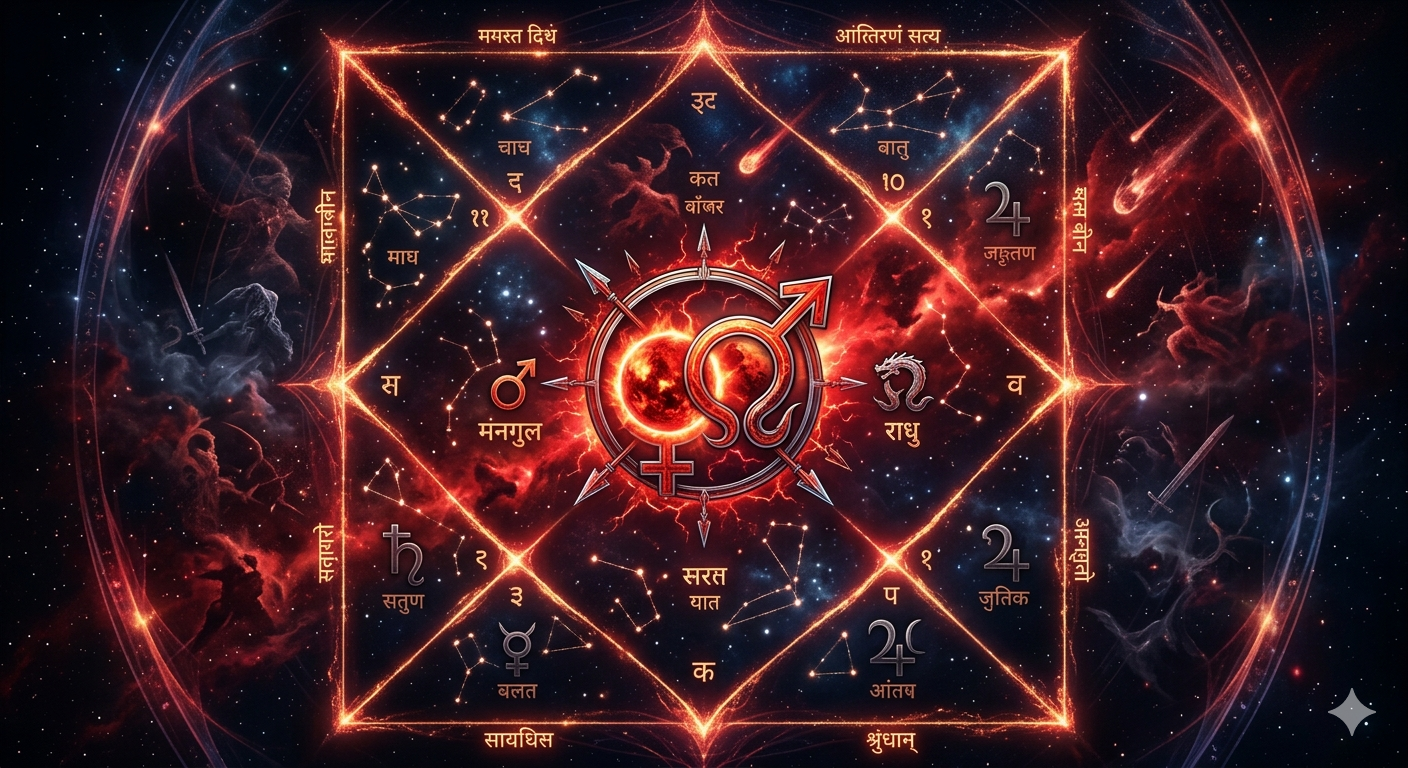
Ketu in Magha Nakshatra 2026 marks one of the most spiritually significant astrological events of this decade. Every 18 years, Ketu — the South Node of the Moon — returns to Magha Nakshatra, one of the most powerful lunar mansions in the Vedic sky. In 2026, that rare cycle begins again, and its effects will be felt by every soul on the planet.
This is not an ordinary planetary transit. In Jyotish (Vedic astrology), Ketu in Magha Nakshatra 2026 represents a convergence of three powerful cosmic forces.
1. Overview: What Is Happening in 2026?
Every 18 years, a rare and deeply significant astrological event occurs — Ketu, the South Node of the Moon, transits through Magha Nakshatra, one of the most spiritually charged lunar mansions in the Vedic sky.
In 2026, this cycle begins again.Ketu in Magha Nakshatra 2026
This is not an ordinary planetary transit. In Jyotish (Vedic astrology), Ketu in Magha represents a convergence of three powerful cosmic forces:
| Force | Signification |
|---|---|
| Ketu | Past karma, detachment, moksha |
| Magha | Ancestors (Pitris), royalty, legacy |
| Leo (Simha) | Identity, ego, soul authority |
Together, these energies orchestrate a karmic audit — not just for individuals, but for nations, institutions, and the collective human story.
2. Vedic Astrology: Understanding Ketu
2.1 The Nature of Ketu in Jyotish
In Vedic astrology, Ketu (केतु) is one of the Chhaya Grahas (shadow planets), the South Node of the Moon, formed from the severed tail of the demon Svarbhānu. Unlike the visible planets, Ketu has no physical body — it exists as a mathematical point of gravitational intersection where the Moon’s orbit crosses the ecliptic.
This non-physical nature is the key to understanding Ketu’s influence:
- It has no desire of its own — it reflects the accumulated desires and karma of past lives
- It grants experience without attachment — like a master who has already learned the lesson
- It disrupts to liberate — its transits often feel like loss, but they remove what no longer serves the soul
2.2 Ketu’s Planetary Attributes
| Attribute | Detail |
|---|---|
| Nature | Tamasic, separating, spiritual |
| Deity | Chitragupta (keeper of karmic records) |
| Ruler of | Ashwini, Magha, Mula Nakshatras |
| Friends | Mars, Saturn, Venus |
| Enemies | Sun, Moon |
| Exaltation | Scorpio (debated — some say Sagittarius) |
| Debilitation | Taurus (debated) |
| Karakatva | Spirituality, occult, liberation, isolation, past lives |
| Body parts | Feet, nervous system, skin diseases |
| Gemstone | Cat’s Eye (Lahsuniya) |
2.3 Ketu’s Deeper Symbolism
The ancient text Brihat Parashara Hora Shastra describes Ketu as:
“A headless being that bestows spiritual enlightenment, creates sudden events, and governs the final liberation of the soul.”
Where Ketu sits in your natal chart, you bring mastery from past lives but also blind spots — you know the territory so well you take it for granted. Where Ketu transits, it withdraws, strips, and purifies.
3. Magha Nakshatra: The Royal Throne of Ancestors
3.1 Nakshatra Profile
Magha (मघा) is the 10th of the 27 Nakshatras, spanning 0°00′ to 13°20′ Leo (Simha).
| Attribute | Detail |
|---|---|
| Meaning | “The Mighty One” / “The Great” |
| Symbol | Royal throne (Sinhasana) / Palanquin |
| Deity | The Pitris (ancestral spirits) |
| Ruling Planet | Ketu |
| Element | Fire |
| Guna | Rajas (activity, ambition) |
| Caste | Shudra (service) |
| Motivation | Artha (material prosperity) |
| Animal | Male rat |
| Dosha | Kapha |
3.2 The Throne and the Ancestors
Magha’s primary symbol — the royal throne — carries profound meaning. A throne is not merely a seat of power; it is a seat of inherited authority. You do not build a throne; you receive it from those who came before you.
This is the heart of Magha: legacy, lineage, and the debt we owe to our ancestors.
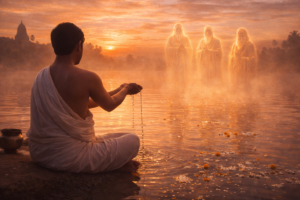
The Pitris (ancestral deities) who rule Magha are described in the Rigveda and Manusmriti as a class of divine beings who sustain the living through their blessings and who receive sustenance through the ritual of Pitru Tarpan (ancestral water offerings).
3.3 The Dual Nature of Magha
Magha carries a beautiful paradox:
| Light Expression | Shadow Expression |
|---|---|
| Noble authority | Arrogance and entitlement |
| Ancestral blessings | Ancestral curses |
| True legacy | Borrowed identity |
| Dignified service | Status-seeking |
| Spiritual royalty | Ego inflation |
The nakshatra asks: Is the crown you wear truly yours — or is it a mask you inherited?
4. Ketu in Magha — The Vedic Synthesis
4.1 The Paradox of Ketu in Its Own Nakshatra
Here is the remarkable Vedic insight: Ketu rules Magha Nakshatra. When Ketu transits through Magha, it is returning home.
In Jyotish, a planet transiting its own nakshatra is considered to operate in a state of heightened potency — for better or worse. For Ketu, this means its core qualities are dramatically amplified:
- Detachment from identity becomes extreme
- Past-life karma surfaces more rapidly
- Spiritual experiences intensify
- Ancestral connections become vivid and unmistakable
4.2 Ketu + Pitris: A Cosmic Convergence
This is where Vedic astrology becomes extraordinary in its depth. Both Ketu and Magha’s ruling deities (the Pitris) share the same cosmic function:
Both are custodians of karmic memory.
Ketu holds the record of your individual soul’s past karma. The Pitris hold the record of your lineage’s accumulated karma. When Ketu transits Magha, these two streams of karmic memory merge and surface simultaneously.
This explains why people often report during Ketu-Magha transits:
- Vivid ancestral dreams
- Sudden interest in family genealogy
- Unexpected encounters with relatives
- Healing of old family wounds — or outbreak of family conflicts
- Clarity about one’s “true calling” vs. societal expectations
4.3 The Rahu-Ketu Axis: Aquarius and Leo
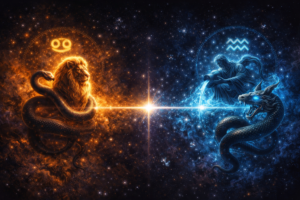
During this transit, while Ketu moves through Magha (Leo), its counterpart Rahu simultaneously transits Aquarius. This Rahu-Ketu axis (Leo ↔ Aquarius) creates a powerful polarity:
| Ketu in Leo (Magha) | Rahu in Aquarius |
|---|---|
| Individual identity, ego, royalty | Collective society, technology, future |
| Ancestral past | Humanitarian future |
| Letting go of personal glory | Reaching toward collective service |
| Releasing inherited power | Claiming new community-based roles |
The soul lesson of this axis: True leadership is not about personal glory — it is about serving the collective.Ketu in Magha Nakshatra 2026
5. Life Applications: How This Transit Affects You
5.1 The Theme: Karmic Completion Over Achievement
Ketu in Magha is not a transit for building empires. It is a transit for completing karmic chapters — relationships, identities, roles, and self-concepts that have served their purpose.
Expect:
- Unexpected endings in areas of status or recognition
- Release of ego-driven goals that feel suddenly hollow
- Deepening of spiritual or philosophical inquiry
- Realignment with authentic purpose over social expectation
5.2 Area-Wise Life Impact
🏡 Family & Ancestry
Ancestral patterns — both blessings and wounds — rise to the surface. Old family karma may need active healing. This is an ideal time for:
- Family reconciliation
- Genealogical research
- Honoring family elders
- Breaking generational cycles consciously
💼 Career & Status
Ketu in the nakshatra of royal thrones can bring sudden fall from status — or sudden indifference to it. Career transitions that seemed impossible may feel natural. The shift is from position-seeking to purpose-seeking.
💑 Relationships
Relationships that were built on status, social performance, or ancestral expectation may be tested. Authentic bonds, however, deepen. Karmic relationships — with their intense familiarity — may surface or resolve.
🧘 Spirituality
This is perhaps the most potent area. Ketu in its own nakshatra creates powerful conditions for:
- Kundalini experiences
- Vivid past-life recall
- Deepening of meditation and sadhana
- Encounters with genuine spiritual teachers
5.3 The 18-Year Pattern: What Happened Last Time?
Reflect on 2007–2008, the last time Ketu transited Magha. What major identity shifts or ancestral themes arose in your life then? The current transit in 2026 is a continuation and completion of that same karmic thread.Ketu in Magha Nakshatra 2026
Journaling prompt: What did I release in 2007–2008 that prepared me for who I am today — and what is still left unresolved?
6. Mundane Astrology: World Events & Collective Shifts
Mundane astrology applies Jyotish principles to nations, governments, economies, and global events. Ketu transiting Magha has historically coincided with significant collective turning points.
6.1 Themes in Mundane Astrology
The Leo-Aquarius Rahu-Ketu axis in mundane astrology governs:
| Leo (Ketu) | Aquarius (Rahu) |
|---|---|
| Kings, heads of state, governments | Masses, democracy, technology |
| Gold, treasury, speculative markets | Social movements, collective reform |
| Monarchy and inherited power | Republics and distributed power |
| Nationalism, pride, cultural identity | Globalism, humanitarian causes |
6.2 Historical Parallels
Previous Ketu-in-Magha transits have coincided with:
- ~1989–1990: Fall of the Berlin Wall, collapse of Soviet-era governments — old royal/authoritarian structures dismantled
- ~2007–2008: Global financial crisis — the collapse of inherited economic structures; a reckoning with “old money” systems
- 2026: Watch for reckonings with inherited political power, movements to reform dynastic governance, and significant ancestral/indigenous rights movements globally
6.3 Sectors to Watch in 2026
Political Landscape: Governments with deeply dynastic or authoritarian structures may face pressure to reform or may experience unexpected transitions. Leaders who rely on inherited authority rather than merit face instability.Ketu in Magha Nakshatra 2026
Economic Trends: Gold (Leo’s metal) and ancestral wealth (inherited assets, old-money institutions, sovereign wealth funds) may see significant shifts. Traditional financial power structures face disruption from Aquarian technologies (AI, decentralized finance).
Cultural & Social Movements: A global surge in:
- Indigenous rights and cultural heritage movements
- Ancestral land restoration campaigns
- Debates over colonial legacy and reparations
- Revival of traditional and ancient wisdom systems
Technology & Society: Rahu in Aquarius simultaneously accelerates AI-driven transformation of social systems — the contrast between Ketu stripping the old and Rahu pulling toward the radically new will create cultural tension and breakthrough simultaneously.
6.4 Nations with Leo Rising or Significant Leo Placements
Countries whose national charts feature Leo prominently will experience this transit most acutely. Historians of mundane astrology note that France, the United Kingdom, and several South Asian nations have significant Leo signatures in their foundation charts — making 2026 a particularly significant year for their political and cultural narratives.
7. Remedies & Spiritual Practices
Vedic astrology offers a rich toolkit of upayas (remedies) to harmonize with and consciously work with Ketu’s energy in Magha.
7.1 Ancestral Practices (Pitru Karma)
Pitru Tarpan (ancestral water offerings):
- Offered ideally on Amavasya (New Moon) or during Pitru Paksha
- Offer water with sesame seeds, white flowers, and kusha grass toward the south
- Chant: “Om Pitru Devaya Namah” or the Gayatri Mantra
Ancestral Remembrance Ritual:
- Light a ghee lamp in the southwest corner of your home
- Place photographs of deceased ancestors
- Offer their favorite food and express verbal gratitude
7.2 Ketu-Specific Remedies
| Remedy | Practice |
|---|---|
| Mantra | “Om Ketave Namah” — 108 times daily, especially on Tuesdays or during Ketu hora |
| Donation | Sesame seeds, grey or spotted cloth, iron items — donate to the needy |
| Fasting | Tuesday fasting, or fasting on Ketu-related days in one’s dasha |
| Gemstone | Cat’s Eye (Lahsuniya) set in gold — only after consulting a qualified astrologer |
| Yantra | Ketu Yantra installation and daily worship |
| Service | Seva to those without family or ancestry — orphans, the abandoned elderly |
7.3 Magha Nakshatra-Specific Practices
- Worship of the Pitris on Amavasya
- Mahalaya Shraddha — the annual ancestral ceremony, especially significant during 2026
- Donation of food — particularly rice, sesame, and barley to Brahmins or the needy
- Visiting ancestral places — hometown, birth village, or ancestral temples
7.4 Inner Practices
Beyond external rituals, Ketu’s deepest remedy is internal transformation:
Morning Practice:
  → 5 minutes: Sit in silence. Contemplate one ego-driven identity you are ready to release.
  → 10 minutes: Meditation — simply observe the silence between thoughts.
  → 5 minutes: Offer gratitude to three ancestors (known or unknown) who made your life possible.
Journaling prompts for this transit:
- What inherited identity (family role, cultural expectation, status symbol) am I ready to release?
- What ancestral gift — skill, wisdom, blessing — have I not fully claimed?
- Where is my ego seeking recognition that my soul does not need?
8. Who Will Feel This Most?
Primary Impact
| Profile | Why |
|---|---|
| Leo (Simha) Ascendant | Ketu transits the 1st house — identity, self, body are directly affected |
| Leo Moon sign (Simha Rashi) | Core emotional identity is under karmic review |
| Leo Sun sign | Soul purpose and authority are being restructured |
| Magha Nakshatra natives | Ketu transits their birth nakshatra — profound life transitions |
| Ketu Mahadasha / Antardasha | Ketu’s period combined with its transit amplifies effects dramatically |
Secondary Impact
| Profile | Theme |
|---|---|
| Scorpio Ascendant | 10th house — career, public reputation, ancestral legacy in profession |
| Aquarius Ascendant | 7th house — relationships, partnerships undergo karmic review |
| Taurus Ascendant | 4th house — home, mother, roots, inner emotional foundations |
| Aries Ascendant | 5th house — creativity, children, past-life karma in romance |
Universal Themes
Regardless of your chart, every human will encounter some dimension of this transit because it operates at the collective karmic level. The questions it poses are universal:
- Who are you beneath the roles you play?
- What have you inherited — and what must you pass on?
- Where does your legacy truly lie?
9. Final Reflection
Ketu in Magha is not a transit of achievement. It is a transit of revelation.Ketu in Magha Nakshatra 2026
In the silence it creates — through the identities it strips, the thrones it vacates, the ancestral memories it surfaces — it reveals something the ego cannot manufacture:
Your authentic soul authority.
Not the authority of inherited titles or social recognition. Not the authority of accumulated achievements. But the quiet, unshakeable authority of a soul that has done its karma honestly, honored its ancestors faithfully, and released its attachments gracefully.
The ancient Vedic sages did not see Ketu as a malefic to fear. They saw it as the moksha karaka — the significator of liberation. And liberation, by definition, requires the willingness to let go.
2026 is not asking you to give up your greatness.
It is asking you to discover what greatness actually is — beyond ego, beyond inherited patterns, beyond the need for the world’s applause.
The throne was never the destination. The throne was always the teacher.
🕉️ Closing Mantra
Ketu Gāyatrī Mantra
ॐ अश्वध्वजाय विद्महे
शूलहस्ताय धीमहि
तन्नो केतः प्रचोदयात्॥
Om Aśvadhvajāya vidmahe
Śūlahastāya dhīmahi
Tan-no Ketuḥ pracodayāt
Ketu Bīja Mantra
ॐ श्राँ श्रीं श्रौं सः केतवे नमः॥
Om Śrāṁ Śrīṁ Śrauṁ Saḥ Ketave Namaḥ
May the blessings of your ancestors light your path. May Ketu’s grace reveal your highest truth.
© 2026 | Written for educational and spiritual purposes. For personalized guidance, consult a qualified Jyotish practitioner with your complete birth chart (Janam Kundali).



Leave a Reply